Anthropic builds Claude Code, and its team has already written the best guidance on how to use it. Rather than rewrite that, this page points you to it. Everything below is made and kept up to date by Anthropic. We add a one-line summary so you can pick where to start.
Claude Code changes every few months, so we favor pages Anthropic keeps current over one-off posts. Talks and events show their date so you can tell how recent they are.
The short version
Anthropic's best-practices guide boils down to this. Claude Code's defaults already handle most plain prompts well, so these are for when they don't:
- Tell Claude what it can't see. Put the exact test, typecheck and lint commands, the team's decisions and the misleading corners of the codebase in a short
CLAUDE.md. Leave out what Claude can read from the repo. Our CLAUDE.md guide shows how. - Give it a check to run. A test, a build or a linter that comes back pass or fail lets Claude find and fix its own mistakes instead of stopping when the work only looks done. Ask for the command it ran and the output as evidence.
- Enforce the rules that can't have exceptions. A line in
CLAUDE.mdworks most of the time. For "always" and "never", use hooks and permission rules, which Claude Code enforces whatever Claude decides. - Steer early. Watch the first minute and press
Escthe moment it drifts. After two failed corrections, run/clearand write a better prompt instead of a third. - Drop the old workarounds. ALL CAPS and IMPORTANT, "think harder", and "keep going, don't be lazy" are no longer needed with current models. Plain, specific instructions work better.
Start here
- GuideAnthropicBest practices for Claude Codecode.claude.com
Anthropic's own best-practices guide: tell Claude what it can't see, give it a check to run, and enforce the rules that can't have exceptions. If you read one thing, read this.
- DocsAnthropicClaude Code overviewcode.claude.com
What Claude Code is and where it runs: the terminal, your IDE, the desktop app and the browser.
- DocsAnthropicQuickstartcode.claude.com
Install it, sign in, and make your first code change from the command line.
- DocsAnthropicHow Claude Code workscode.claude.com
The agentic loop, the built-in tools, and how Claude Code reads and changes your project.
- DocsAnthropicCommon workflowscode.claude.com
Step-by-step recipes for everyday work: exploring a codebase, fixing bugs, refactoring and testing.
Set up your project
- DocsAnthropicMemory and CLAUDE.mdcode.claude.com
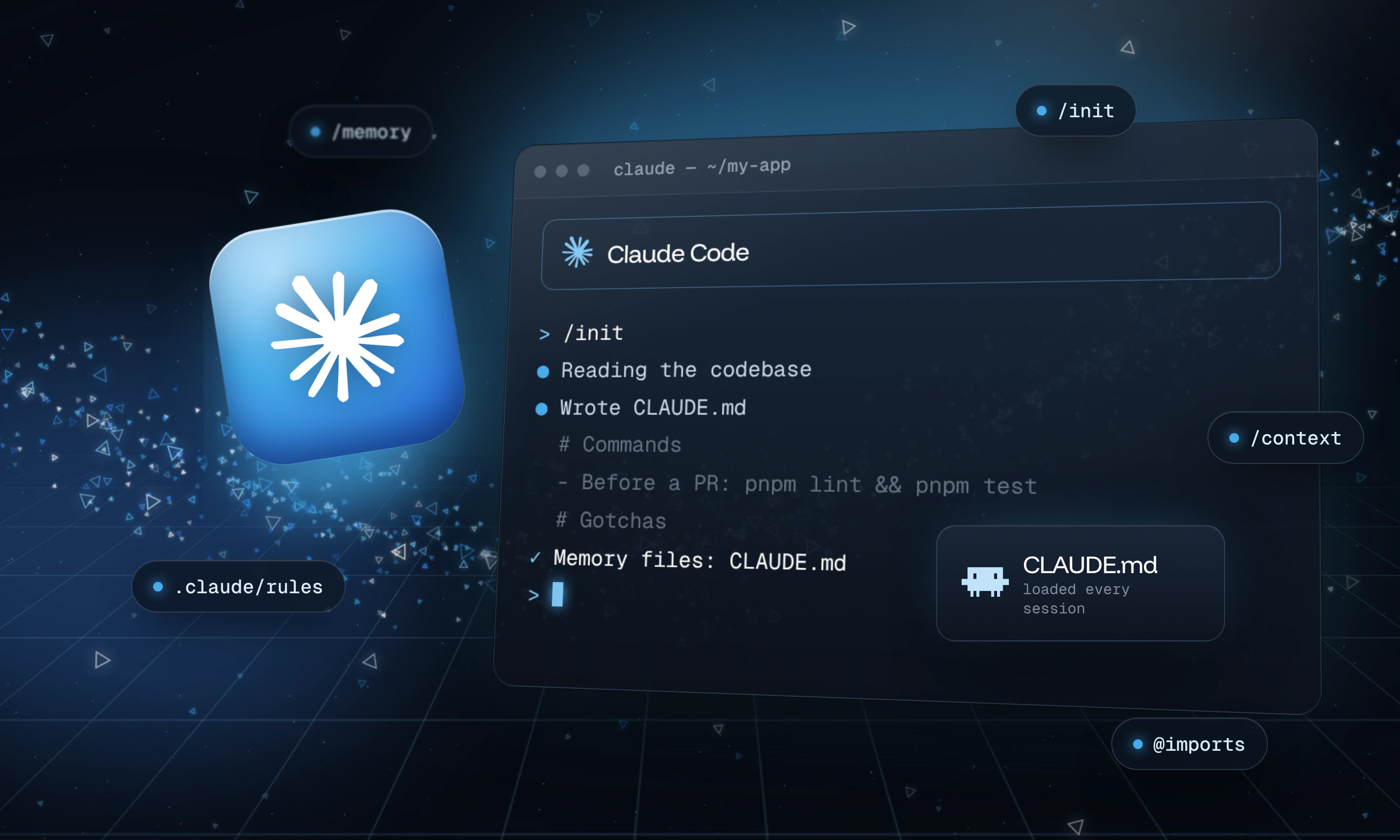
Give Claude standing instructions with CLAUDE.md or AGENTS.md files, and let it keep learnings with auto memory.
- DocsAnthropicExtend Claude Codecode.claude.com
When to reach for CLAUDE.md, skills, subagents, hooks, MCP or plugins. A good map before you go deeper on any one.
- DocsAnthropicSkillscode.claude.com
Create, manage and share skills, including custom commands and the skills that come built in.
- DocsAnthropicHooks guidecode.claude.com
Run your own commands when Claude edits files or finishes a task, to format code, send notifications or enforce project rules.
- DocsAnthropicSubagentscode.claude.com
Set up specialized subagents for focused tasks and to keep the main session's context clean.
- DocsAnthropicConnect tools with MCPcode.claude.com
Connect Claude Code to GitHub, databases, docs and other tools through the Model Context Protocol.
- DocsAnthropicSecuritycode.claude.com
The safeguards built into Claude Code and Anthropic's advice for using it safely.
Stay current
- Weekly digestAnthropicWhat's new in Claude Codecode.claude.com
A weekly roundup of notable features, with snippets, demos and why each one matters. The easiest way to keep up.
- Release notesAnthropicClaude Code changelogcode.claude.com
Every release by version: new features, improvements and fixes.
- Help centerAnthropicClaude Code power user tipssupport.claude.com
Practical tips from Anthropic's help center for getting more out of everyday sessions.
Courses and training
- CoursesAnthropic AcademyAnthropic Academy coursesacademy.claude.com
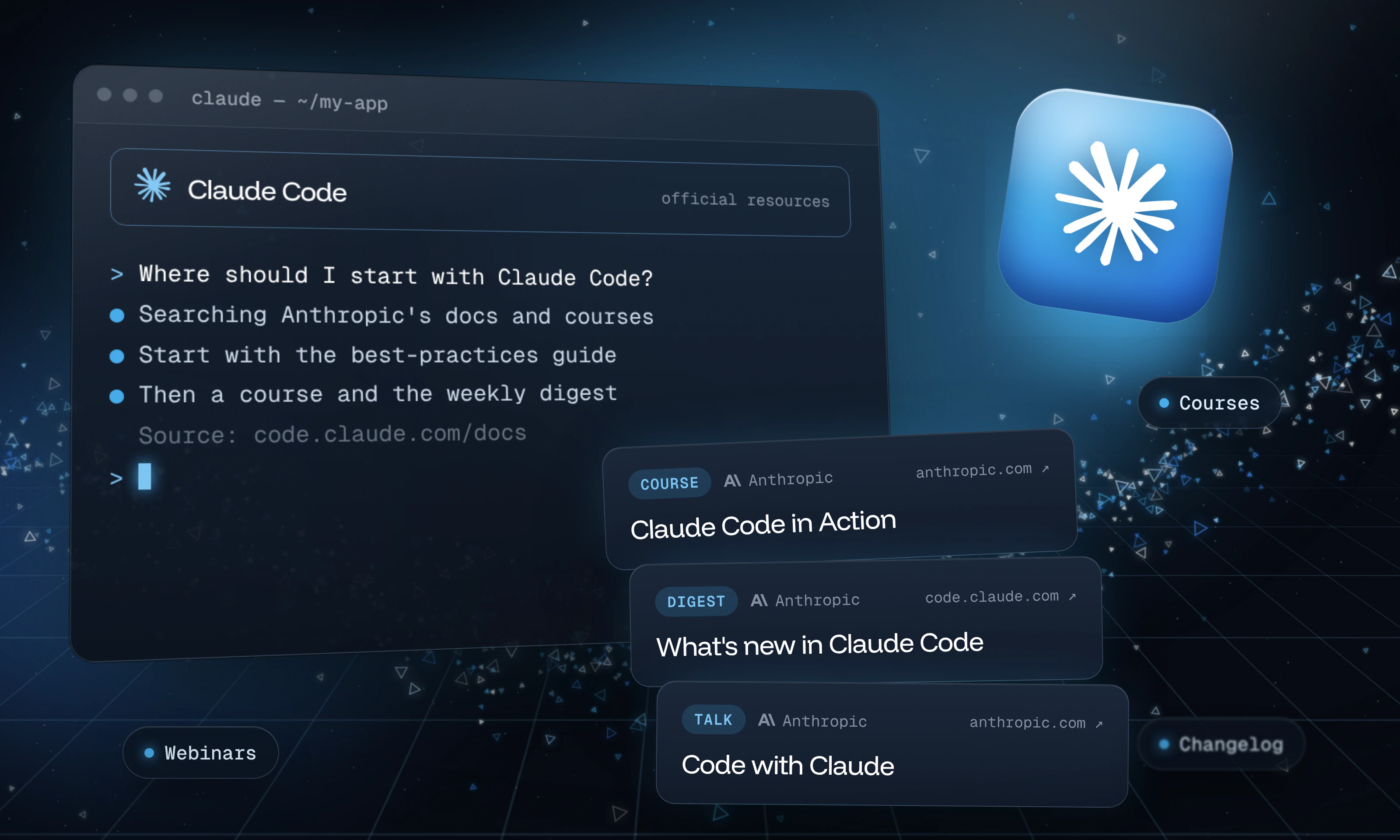
Anthropic's free course catalog, including Claude Code 101, Claude Code in Action, and introductions to subagents and agent skills.
- CourseAnthropic AcademyClaude Code in Actionanthropic.skilljar.com
A free hands-on course on running long Claude Code sessions you can trust: CLAUDE.md, permission modes, hooks, headless mode, GitHub Actions and plugins.
- Webinar seriesAnthropicClaude Code webinar seriesclaude.com
Live sessions that run on repeat, from getting started in an hour to multi-agent patterns for teams.
- Live webinarAnthropicClaude Code: Foundationsclaude.com
A hands-on introduction from Anthropic's Claude Code specialist team, for people new to it.
- Live webinarAnthropicClaude Code: Advancedclaude.com
A 90-minute session for people who already use Claude Code every day and want to go further.
Talks and videos
- VideosAnthropicClaude videosclaude.com
Anthropic's library of demos, talks and tutorials, newest first, including short Claude Code walkthroughs.
- ConferenceAnthropicCode with Claudeclaude.com
Anthropic's developer conference, with recordings from San Francisco, London and Tokyo.
- TalkCode with Claude TokyoJune 2026What's new in Claude Codeclaude.com
A twenty-minute summary of what shipped in Claude Code, why the team built it, and how to get started.
- WorkshopCode with Claude SFMay 2026How we Claude Codeclaude.com
Anthropic engineers set up a real repo the way they do internally, with context files, custom commands, hooks and subagents, then compare stock and tuned runs.
- BlogAnthropicAnthropic Engineeringanthropic.com
Deep dives from the people building Claude and Claude Code, on agents, tools and how they work in practice.